Asbestos testing is a vital step in making sure buildings in New Zealand are safe before any renovation or demolition. Properties built around the 2000s may still contain asbestos materials hidden inside ceilings, walls, flooring, or insulation.
Without proper testing, disturbing these materials can release fibers into the air. This can lead to serious health risks and cause major delays once work begins.
Asbestos testing gives an accurate picture of a property’s condition. This applies to residential homes, commercial businesses, and industrial sites. It prevents exposure to hazards, ensures you follow the law, and helps keep time and costs under control. Learning how asbestos testing works gives property owners a clear path to safe, compliant project planning.
Before any structural work begins, asbestos testing is done. The goal is to check if materials in a property contain dangerous fibers.
Testing also supports compliance with New Zealand’s legal requirements. It identifies these hazards early, allowing you to put the right safety measures in place. Materials like insulation, textured ceilings, floor tiles, and exterior cladding can contain asbestos. If you disturb them without checking first, you risk contamination.
When asbestos is found, removal can be planned safely in accordance with the rules. When it is not found, teams can start work confidently. They will know the site meets the necessary health and safety standards.
The Health and Safety at Work Regulations 2016 set clear rules for anyone planning to fix or demolish a building. Specifically, these rules require you to find asbestos materials before work begins. This is vital because, without asbestos testing, workers and residents risk breathing in fibers floating in the air. Over time, this exposure can lead to serious lung diseases.
Moreover, asbestos testing ensures that councils, insurers, and project stakeholders have the documents needed to verify that the site complies with the rules. Certified results act as official proof of a property’s condition. Accurate testing avoids the legal and financial consequences of noncompliance, supporting transparent risk management.
Testing begins by collecting samples from materials suspected of containing asbestos. Skilled professionals follow strict handling and containment methods. These procedures are designed to prevent the release of fibers during sampling.
Materials sampled often include:
Each sample is sealed, labeled, and documented before being sent to a laboratory for analysis. The asbestos testing process ensures that every sample can be traced from collection to the final report. This keeps clear documentation for safety and compliance.
Sampling is typically non-invasive. It focuses on representative areas rather than making excessive cuts or removing large pieces. The goal is to gather enough information to confirm if asbestos is present without causing any disruption.
Asbestos testing methods are based on the project’s scale and the type of materials involved. Choosing the right approach ensures that the results are accurate and representative.
The main methods include:
All approaches follow strict guidelines for handling and containment to avoid contamination. Each method is designed to match specific site conditions, ensuring both accuracy and safety.
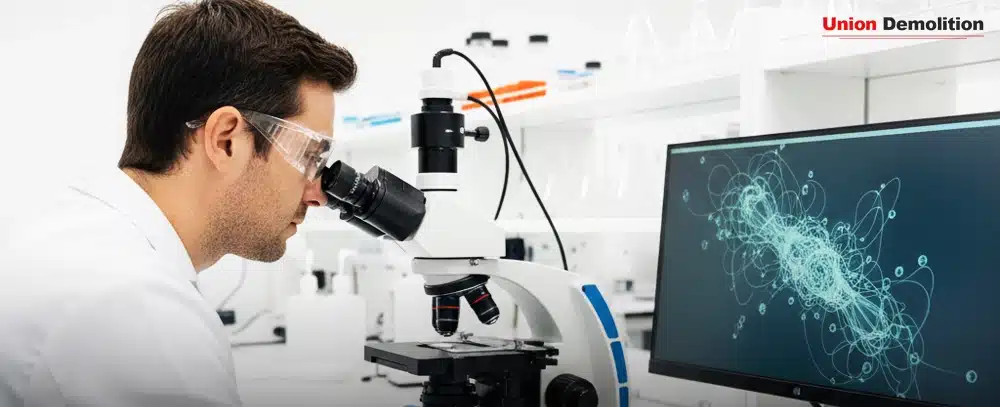
When samples arrive at the laboratory, technicians analyse them in a safe, controlled environment. They use powerful microscopes to look for hidden asbestos fibers. This process confirms if any asbestos type is present.
Knowing the exact type matters as it helps experts understand the risk level. The final asbestos testing report lists a reference number and a clear description for every sample. It classifies each material so you know exactly what it is, ensuring everything is recorded correctly.
Laboratories in New Zealand follow strict rules to meet national safety standards. This ensures that every test is accurate, so you can trust the findings completely. The time to get results depends on the number of samples and the lab’s workload. Usually, results are ready within two to five working days.
If a project cannot wait, urgent asbestos testing is available to provide reports faster without losing precision. These results guide all your next steps. They provide the proof you need to confirm a material’s safety status.
Following laboratory analysis, a detailed certification report is released to confirm the findings. This demonstrates compliance with safety regulations and gives a clear reference for decision-making.
A comprehensive certification report includes the following:
This report ensures transparency throughout the project. You can rely on the certification to know which materials pose risks and which are safe to handle. The document also becomes part of the property’s permanent record.
Once asbestos testing confirms contamination, the next step is safe removal. Testing and removal are closely linked. Together, they form a continuous safety process from start to finish.
The certification prepares a removal plan that complies with New Zealand’s regulations. Licensed removal teams then enforce containment measures. This includes sealing off work areas and using specialised equipment to control the spread of airborne fibers.
After removal, independent assessors do air monitoring and visual inspections. This ensures that all asbestos has been removed. A final clearance certificate is issued once the site meets safety criteria.
The cost of asbestos testing in NZ depends on several factors like samples needed, property size, and the urgency of results. Residential testing usually requires fewer samples than other properties, which involve checking multiple areas and materials.
While cost is an understandable concern, accurate asbestos testing provides lasting value. Incomplete testing may lead to rework, safety incidents, or even regulatory penalties. Reliable testing prevents these outcomes and sustains long-term compliance.
Investing in accredited services guarantees that laboratory results can withstand official review. This gives both property owners and contractors confidence in their documentation.
Selecting a skilled and qualified provider delivers accurate results and smooth project management. Asbestos testing is a technical process that needs both field expertise and strict adherence to regulations.
When choosing a testing provider, consider the following:
Asbestos testing is a critical first step for any renovation or demolition project. It acts as a shield that protects workers, residents, and the entire community from harmful exposure to invisible fibers. At the same time, it ensures that all work follows strict legal and environmental rules. Reliable testing removes uncertainty and takes the guesswork out of the job. It provides the clear results needed for safe planning and responsible construction.
At Union Demolition, we offer accredited services that focus on compliance and safety. We handle every stage of the asbestos management process, so you do not have to worry. From the initial asbestos testing to safe removal and final certification, each project is finished with precision and care. Trust us to clear the way for your project, leaving peace of mind and a safe foundation for the future.
© 2025 • Address: 23 Pukemiro Street, Onehunga, Auckland 1061 • Phone: 022 471 7355

